Improving your home’s energy efficiency can help reduce unnecessary energy use while making your living spaces more comfortable throughout the year. Heating, cooling, electrical equipment, appliances, insulation, and everyday habits can all influence how much energy your household consumes.
You do not necessarily need to replace every major system in your home to make a difference. Regular HVAC maintenance, appropriate thermostat settings, efficient equipment, and addressing areas where energy is being wasted can all contribute to better performance.
At Oasis Heating, Cooling & Electric, we help homeowners throughout the Lehigh Valley maintain and improve the systems they rely on for heating, cooling, electrical power, and everyday comfort.
TL;DR: Improve Your Energy Efficiency
- Regular HVAC maintenance can help heating and cooling equipment operate efficiently.
- Clean filters and proper airflow are important for HVAC performance.
- Thermostat settings can have a significant impact on energy use.
- Older heating and cooling equipment may operate less efficiently than newer systems.
- Electrical upgrades and energy-efficient appliances can help reduce unnecessary consumption.
- Professional inspections can identify problems that may be affecting efficiency.
How Does HVAC Maintenance Affect Energy Efficiency?
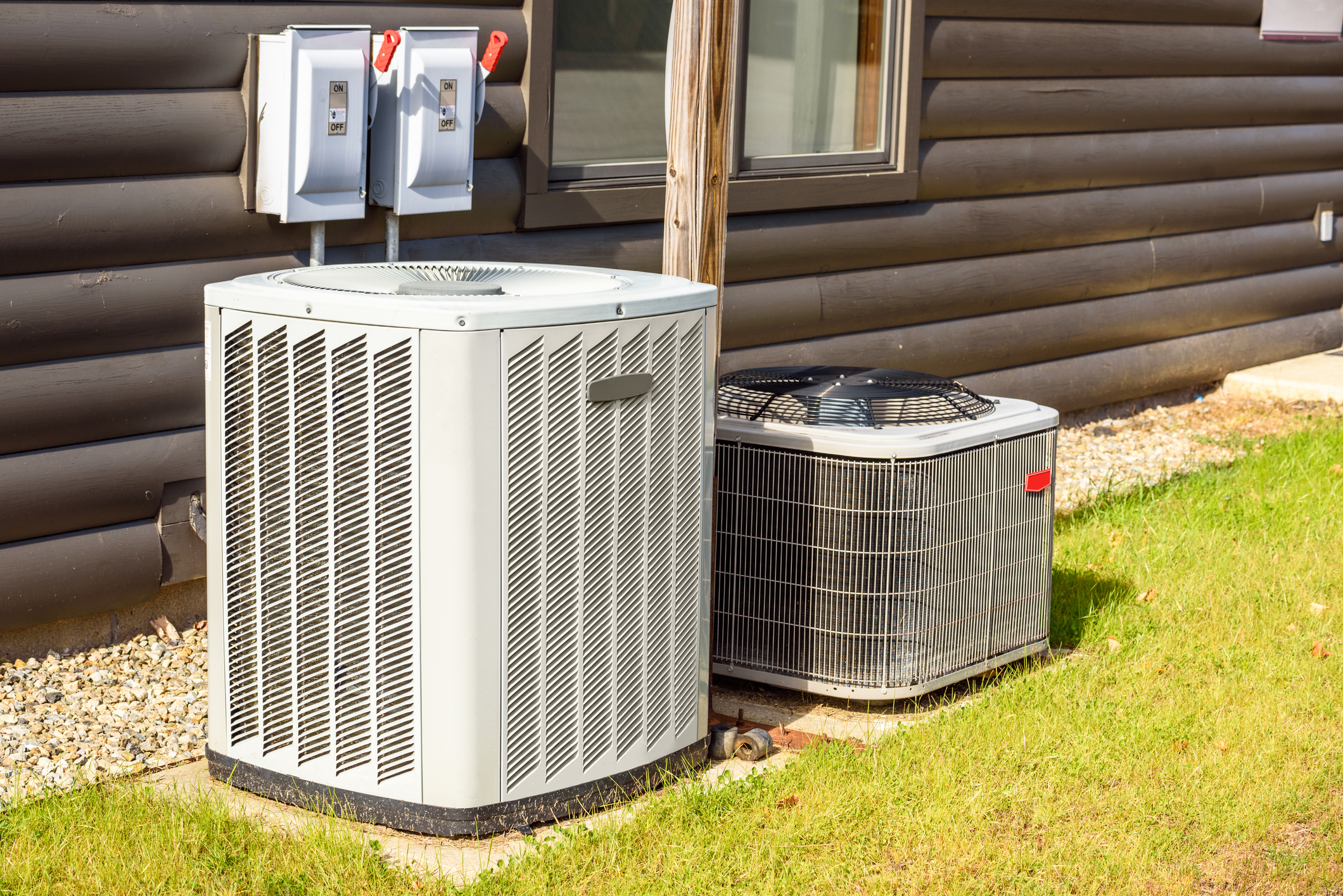
Your heating and cooling system represents an important part of your home’s overall energy use. When equipment is dirty, poorly maintained, or experiencing mechanical problems, it may need to work harder to maintain a comfortable temperature.
Regular HVAC maintenance provides an opportunity to inspect components, clean equipment where necessary, check system operation, and identify developing problems.
Preventative maintenance can also help address smaller concerns before they begin affecting comfort, efficiency, or system reliability.
Why Is Proper Airflow Important?
Your HVAC system needs adequate airflow to distribute heated or cooled air throughout your home.
Dirty air filters are one common source of restricted airflow. Depending on the system and household conditions, filters should be inspected regularly and replaced when necessary. Homes with pets, construction dust, or other airborne particles may require more frequent attention.
Blocked vents, ductwork problems, and equipment issues can also affect airflow. If certain rooms consistently feel warmer or colder than others, the cause may be worth investigating.
Can Your Thermostat Help Reduce Energy Use?
Thermostat settings determine how frequently your heating and cooling equipment needs to operate.
Frequently making large temperature adjustments or maintaining unnecessarily high or low settings can increase energy consumption. A programmable or smart thermostat can make it easier to establish temperature schedules around when your household is occupied.
Thermostat placement and proper operation matter as well. If a thermostat is providing inaccurate readings, the HVAC system may operate longer or more frequently than necessary.
When Should You Consider Upgrading Your HVAC System?
An older HVAC system does not automatically need to be replaced. However, equipment that requires frequent repairs, struggles to maintain comfortable temperatures, or has experienced a noticeable decline in performance may warrant evaluation.
Modern furnaces, air conditioners, heat pumps, and ductless mini-split systems can offer efficiency improvements compared with older equipment, particularly when properly sized and professionally installed.
Before replacing a system, consider its age, condition, repair history, efficiency, and your home’s heating and cooling needs.
What Other Parts of Your Home Affect Energy Efficiency?
Heating and cooling equipment is only part of the equation. Insulation, windows, doors, appliances, lighting, and electrical systems can all influence household energy consumption.
Air leaks around doors and windows can allow conditioned air to escape. Poor insulation can make it more difficult to maintain indoor temperatures. Older lighting and appliances may also consume more electricity than newer energy-efficient options.
Looking at your home as a complete system can help identify multiple opportunities for improvement.
Why Is Professional Maintenance Important?
Some efficiency problems are easy to recognize, while others may develop gradually.
Professional HVAC and electrical services can help identify equipment problems, electrical concerns, airflow issues, and outdated components that may be contributing to unnecessary energy use.
Addressing these concerns can help improve efficiency while supporting the reliable operation of important home systems.
Why Choose Oasis Heating, Cooling & Electric?
Oasis Heating, Cooling & Electric provides professional heating, air conditioning, and electrical services for homeowners throughout the Lehigh Valley. Our team works with a variety of home comfort systems, including furnaces, boilers, heat pumps, air conditioners, mini-splits, and electrical equipment.
Whether you need routine maintenance, repairs, system upgrades, or professional installation, we can help you find practical solutions based on your home’s needs. Contact Oasis Heating, Cooling & Electric today to get started.
Frequently Asked Questions
Does HVAC maintenance really improve energy efficiency?
Regular maintenance can help an HVAC system operate as intended by addressing dirty components, airflow concerns, and developing mechanical problems. While maintenance cannot change the original efficiency rating of equipment, it can help prevent unnecessary performance losses.
Will replacing an old HVAC system lower my energy bills?
A newer, more efficient system may reduce heating or cooling energy use compared with older equipment, but actual savings depend on system efficiency, installation, home insulation, thermostat settings, weather, and household habits.
What is the easiest way to make a home more energy efficient?
Simple steps can include checking HVAC filters regularly, using appropriate thermostat settings, switching off unnecessary lights and electronics, sealing obvious air leaks, and keeping heating and cooling equipment professionally maintained.

